HOTEL PROBLEMS / PRACTICAL NEXT STEPS
How to Reduce Food Smell in Hotel Common Areas
Food odours in common areas require review of the source and air movement between cooking, dining and guest zones. Fragrance should not be used to conceal an unresolved extraction problem.
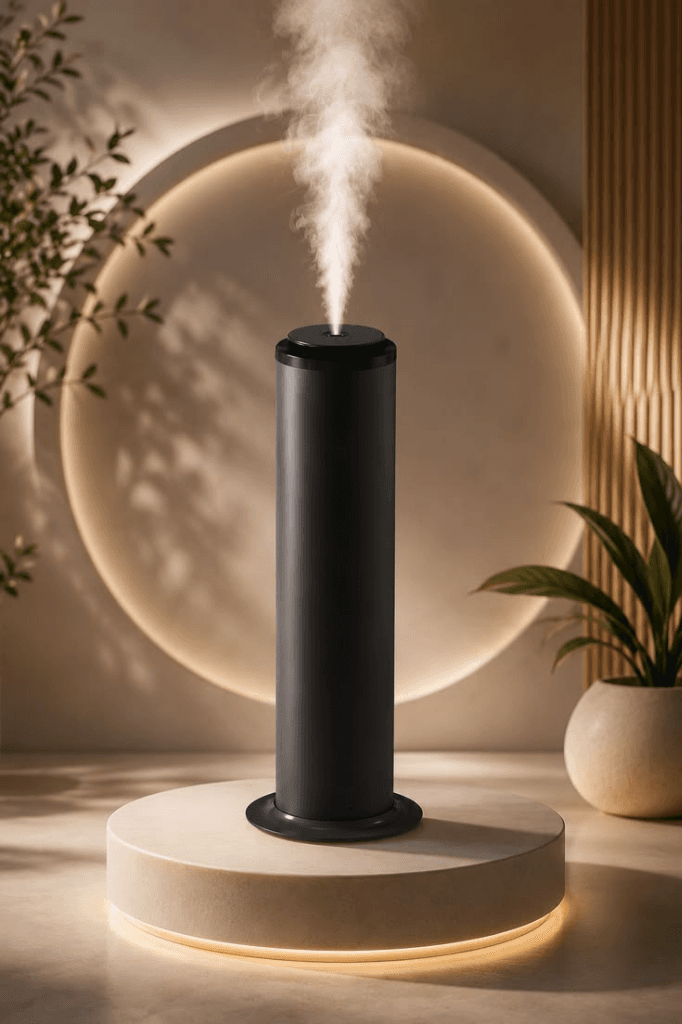
OPTIONAL AMBIENT EQUIPMENT
Tower Commercial Diffuser
₹9,650
500 ml reservoir · Listed coverage: Up to 1,500 sq ft*
A starting point for a suitable zone. Confirm approved oil, layout, GST, delivery and service scope before ordering.
Identify what is changing
Food odours in common areas require review of the source and air movement between cooking, dining and guest zones. Fragrance should not be used to conceal an unresolved extraction problem. Record where and when the issue occurs, whether it follows cleaning, occupancy or ventilation changes, and who notices it. Distinguish unwanted source odours from an ambient-fragrance preference.
Check the hotel conditions
Record when the smell reaches reception or corridors and compare kitchen operation, doors and air-system schedules. Coordinate restaurant operations with hotel engineering.
Act before adding fragrance
Have the responsible team review the airflow boundary and source-control needs. Keep dining and preparation outside a general scenting proposal; assess a separate ambient zone only if its boundary is suitable.
Consider ambient scent only when appropriate
Once cleaning, repair and ventilation needs are addressed, discuss a suitable approved fragrance for the intended zone. The featured HUME model is a possible ambient option, not an odour-removal, damp-treatment, disinfection or air-purification system. Confirm layout, supplied instructions, approved oil, guest preferences and written quote terms before ordering.
Before you accept a quote
- Identify the proposed zones and areas to leave unscented.
- Check exact equipment specifications and approved fragrance.
- Request consumption assumptions and itemised ongoing costs.
- Confirm installation responsibilities and written support terms.
Buyer questions
Will a HUME diffuser remove the underlying problem?
No such claim is made. Fragrance does not repair moisture, drainage, smoke contamination or ventilation problems. Address the source and use ambient scent only where appropriate afterward.
What should the hotel team check first?
Record when the smell reaches reception or corridors and compare kitchen operation, doors and air-system schedules. Coordinate restaurant operations with hotel engineering.
What information helps with an ambient-equipment enquiry?
Send the resolved-maintenance context, city, zone plan, height, airflow and opening hours. Describe guest preferences and excluded food or unscented areas. Coverage is indicative and the model needs review.
Sources and how to use them
Official provider pages reviewed on 7 October 2026. External sources describe general formats and their own products; they do not verify HUME specifications or replace the supplied installation manual. No independent ranking is claimed.
EPA — Improving indoor air quality ↗ — General guidance on source control and ventilation. It is not a HUME product endorsement or a hotel-specific remediation plan.
EPA — Investigating moisture and musty areas ↗ — Guidance on investigating musty areas and addressing moisture sources. Use qualified building assessment for unresolved problems.
Discuss your property with HUME Spaces
Send your city, property type, zone area, ventilation and operating hours. Ask for a suitable equipment and approved-fragrance pairing, with all requested services itemised.
Send your brief on WhatsApp